

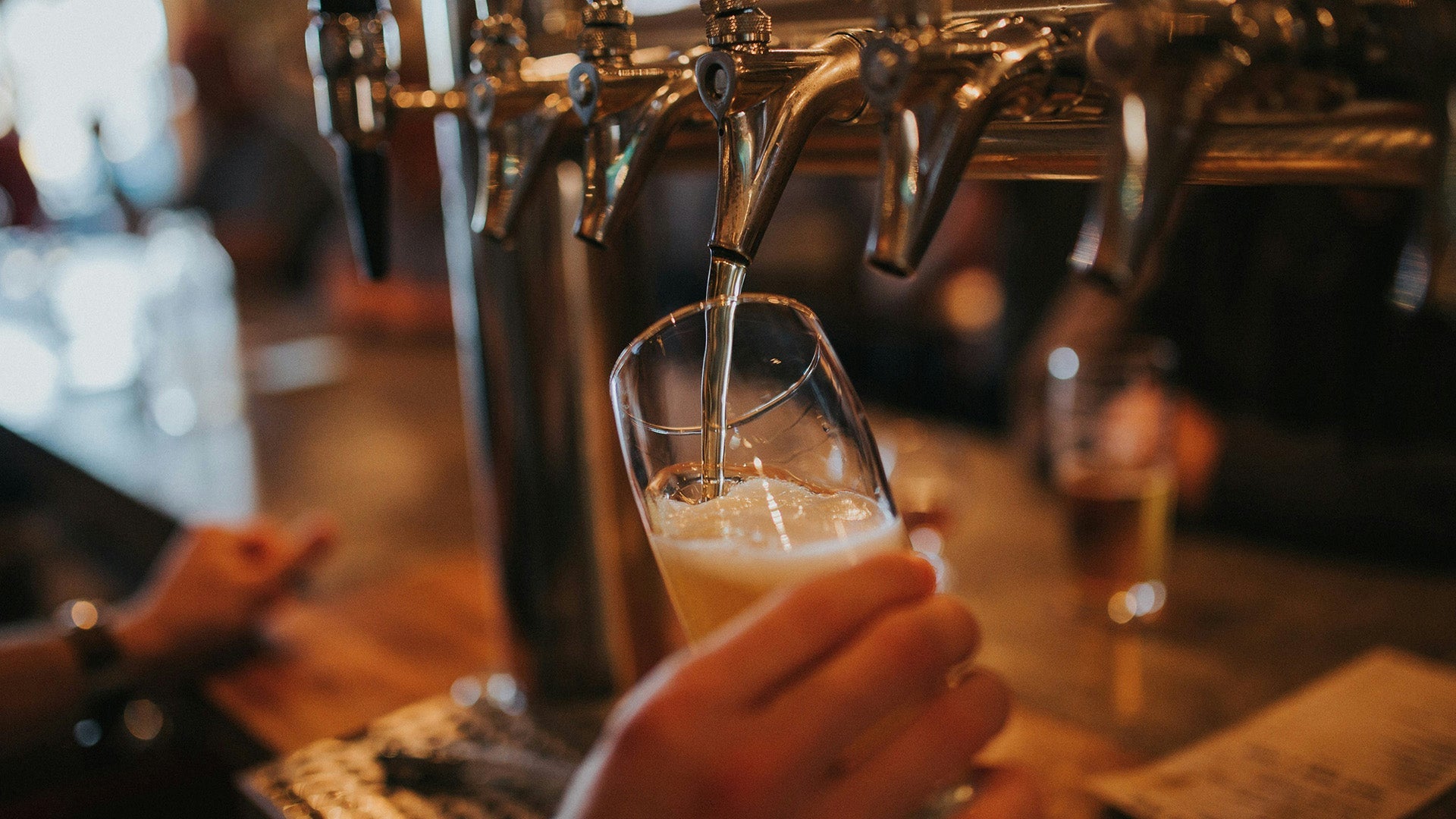
When couples discuss fertility, the conversation often shifts toward the female partner's diet and lifestyle. However, because men contribute 50%, their habits are just as critical. One of the most common questions men ask during their fertility journey is: how much does alcohol actually affect my sperm?
While an occasional beer might not derail your plans, chronic or heavy drinking can have a significant impact on your ability to conceive.
1. Hormonal Imbalance and Testosterone
The reproductive system relies on a delicate balance of hormones. Alcohol is a known toxin to the glands that produce these chemicals.
- Testosterone Drop: Heavy alcohol consumption can interfere with the function of the testes and the parts of the brain (the hypothalamus and pituitary gland) that regulate testosterone production.
- Oestrogen Spike: Alcohol can speed up the conversion of testosterone into oestrogen. Higher oestrogen levels in men can lead to reduced sperm production and even erectile dysfunction.
2. Impact on Sperm Parameters: Count, Shape, and Speed
Research published in BMJ Open suggests that even moderate drinking (around 5 units a week — roughly 2 pints of beer) can begin to show measurable changes in semen quality.
- Lower Sperm Count: Alcohol can lead to oligozoospermia, where the total number of sperm produced is significantly lower than average.
- Poor Motility: Alcohol can make sperm sluggish, making it much harder for them to reach and fertilise an egg.
- Abnormal Morphology: Heavy drinking is linked to a higher percentage of misshapen sperm. Sperm with abnormal head or tail shapes struggle to penetrate the egg.
3. DNA Fragmentation and Oxidative Stress
Beyond what we see under a microscope, alcohol can cause damage at a molecular level.
- Oxidative Stress: Alcohol increases the production of Reactive Oxygen Species (ROS) in the reproductive tract. These unstable molecules attack sperm cells, leading to oxidative stress.
- DNA Damage: This stress can lead to DNA fragmentation, where the genetic material inside the sperm head is broken. Even if a sperm with fragmented DNA fertilises an egg, it can lead to higher rates of miscarriage or developmental issues.
4. The "72-Day" Opportunity
The good news for men is that sperm production is a continuous cycle. It takes approximately 72 to 90 days for a new batch of sperm to fully mature.
If you decide to cut back or stop drinking today, you aren't just improving your current health; you are investing in the "batch" of sperm that will be ready in three months. Many men see a significant rebound in their semen analysis results after just one full cycle of sobriety or significantly reduced intake.
How Much is Too Much?
Most health authorities, including the NHS, recommend that men who are actively trying to conceive should keep their alcohol intake to a minimum.
- Heavy Drinking: Defined as more than 14 units a week or binge drinking episodes. This is consistently linked to infertility.
- Moderate Drinking: While the effects are less severe, studies show that even consistent moderate drinking can lower the success rates of assisted reproductive treatments like IVF.
Summary
If you have been a regular drinker and are worried about your fertility, the best way to know where you stand is to get the data. A semen analysis will tell you exactly how your lifestyle choices are affecting your count, movement, and morphology. Use that information to power your lifestyle changes, and re-test in 90 days to see the progress.
Sources
- NHS: Alcohol and Fertility — nhs.uk
- BMJ Open: Habitual alcohol consumption associated with reduced semen quality — bmjopen.bmj.com
- Drinkaware: Can alcohol affect fertility? — drinkaware.co.uk


