

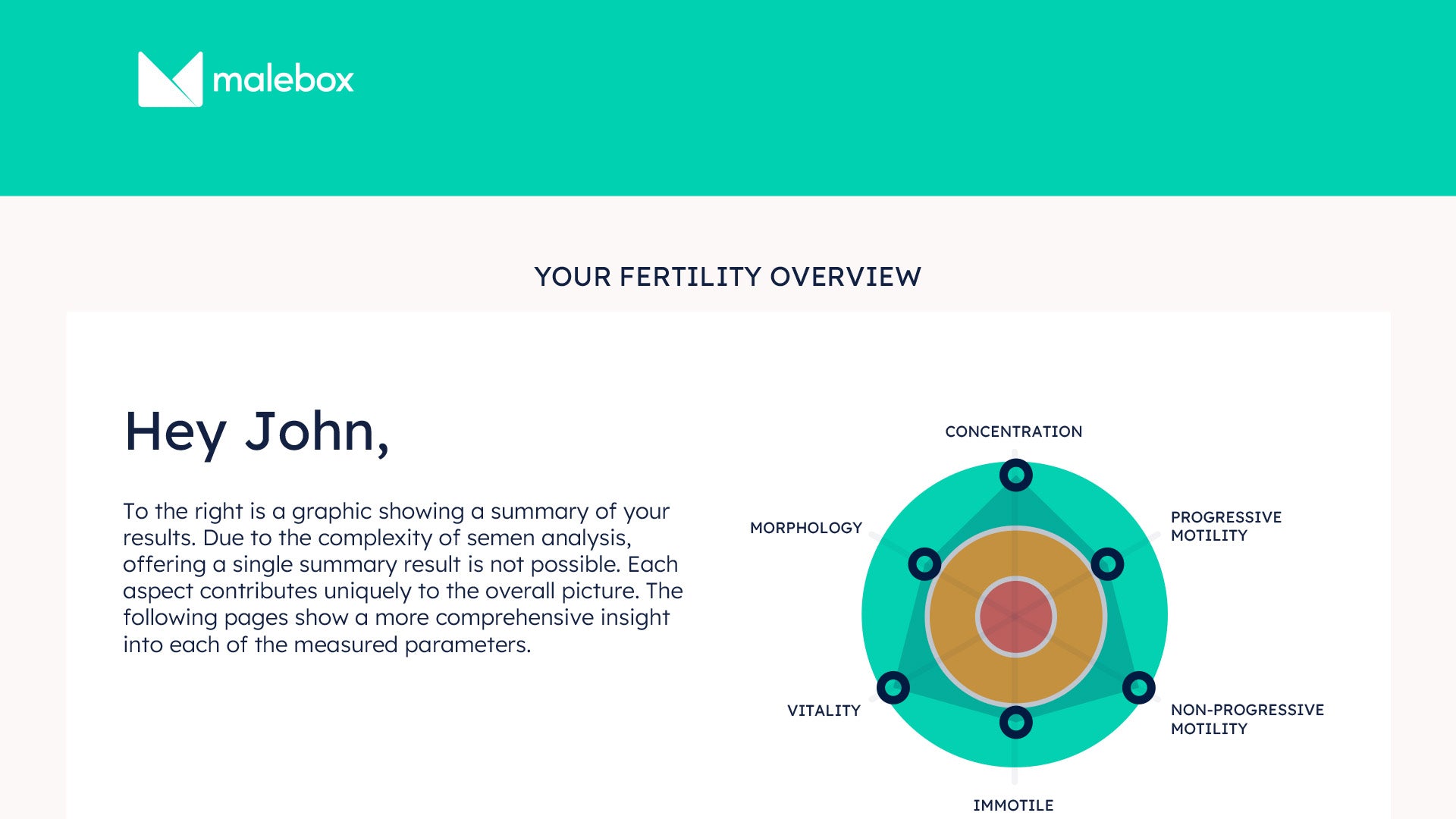
Deciding to take a fertility test is a meaningful step, and it helps to go into it with a clear sense of what the results might tell you. For many people, a fertility test offers clarity, reassurance and a chance to take control early on. While results can sometimes be surprising, understanding them properly can remove a lot of uncertainty and give you a clearer path forward.
Fertility is rarely a simple yes or no. It exists on a spectrum, and most people can improve their position on that spectrum through lifestyle changes, treatment and medical support. A semen analysis can highlight potential issues with male fertility, but it is still only an indication — it gives you useful information about sperm quality on that particular day, rather than a final verdict on your chances of conceiving.
What matters most is knowing that a result, whatever it is, can help you make informed choices. Many couples say that having this information earlier would have saved them months of worry. Understanding where you stand is an empowering step, not something to fear.
Understanding Fertility Test Results
Good result
A good semen analysis result does not guarantee natural conception, but it shows that your sperm parameters sit above the sub-fertile thresholds set by the World Health Organisation (WHO). With supportive lifestyle habits, it is often possible to maintain or even improve these levels. Many men find that a good result offers peace of mind and confidence as they start trying to conceive.
Borderline result
Semen parameters naturally fluctuate, sometimes by a noticeable amount. Because sperm are assessed by a trained technician, there is always an element of variation in how the sample is interpreted. A borderline result is often a sign of this variability. The positive news is that borderline results tend to respond well to lifestyle changes. The NHS recommends taking another semen analysis after 3 months, which reflects a full sperm development cycle.
Sub-fertile result
A sub-fertile result can feel worrying, but it does not mean you cannot conceive. Only one sperm is needed for conception, and there are many reasons why a result falls into this range. In many cases, sperm quality improves through lifestyle adjustments, treatment or further medical investigation. A small number of men may have no sperm in their sample, known as azoospermia. Although rare, it does require further assessment and can sometimes be addressed through medical intervention. An in-person appointment is usually recommended if you receive a sub-fertile result.
Why Testing Matters
Getting a fertility test is not just about identifying problems. It gives you a clearer starting point, helps you understand your body better and offers guidance on what to do next. Whether your result is good, borderline or sub-fertile, each outcome can be improved or navigated with the right support.
Taking a test early means you are not relying on guesswork. You can make proactive choices, reduce avoidable delays and give yourself the best chance of conceiving — naturally or with help if you need it.


